Maintaining a home involves consistent vigilance, and among the critical aspects of homeownership is keeping an eye out for potential plumbing issues. Leaks, often insidious and hidden, can lead to significant water damage, mold growth, and increased water bills if left unchecked. Being proactive in leak detection can save you a considerable amount of stress and money in the long run. Here’s how to spot potential leaks around your home.
Visual Inspections: Your First Line of Defense
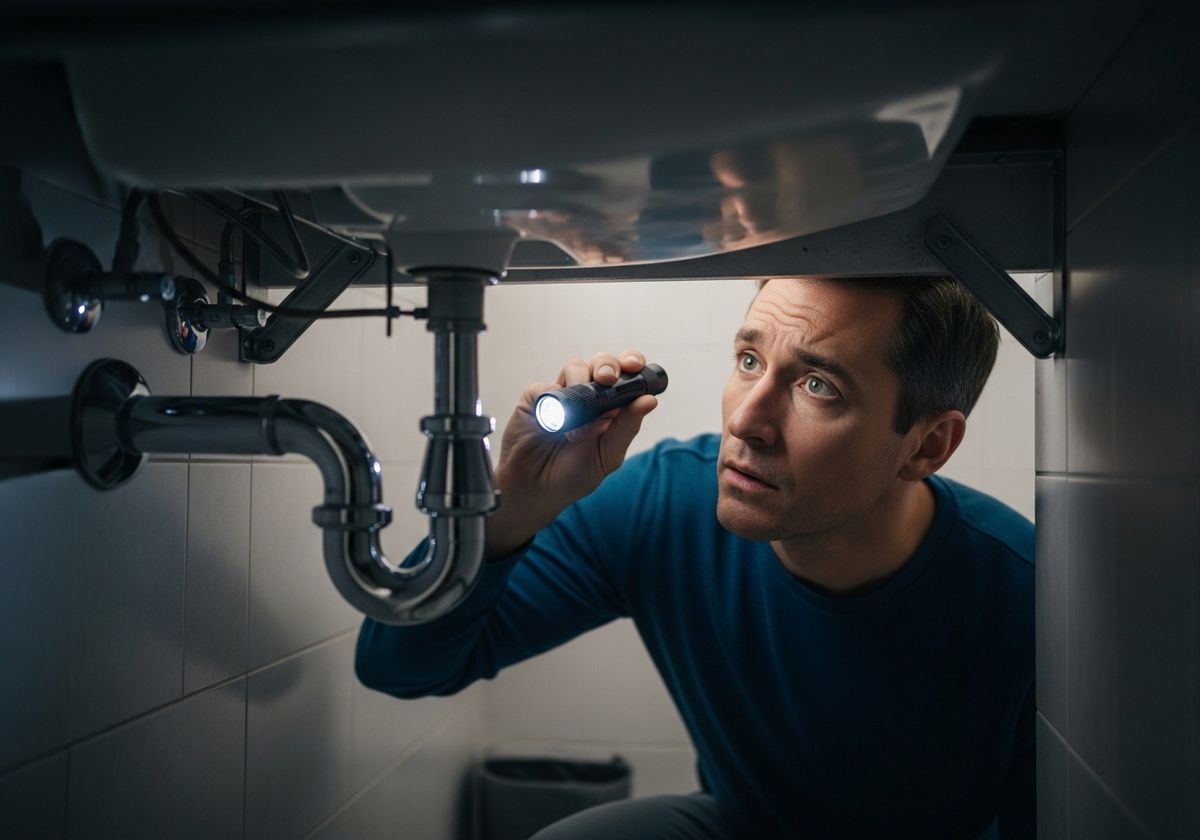
Regularly inspect areas around sinks, toilets, showers, and bathtubs for any signs of water damage, such as stains, mold, or peeling paint. Don't forget to check under sinks and around the base of toilets, as these are common areas for leaks to occur. Also, inspect your pipes, looking for any signs of corrosion or damage.
Monitor Your Water Bill
A sudden, unexplained increase in your water bill could indicate a leak. Compare your current bill with previous ones, and if you notice a significant difference, it's time to investigate further. Keep in mind seasonal changes in water usage (e.g., watering the garden in summer), but any unexplained spikes should be taken seriously.
Check Your Water Meter
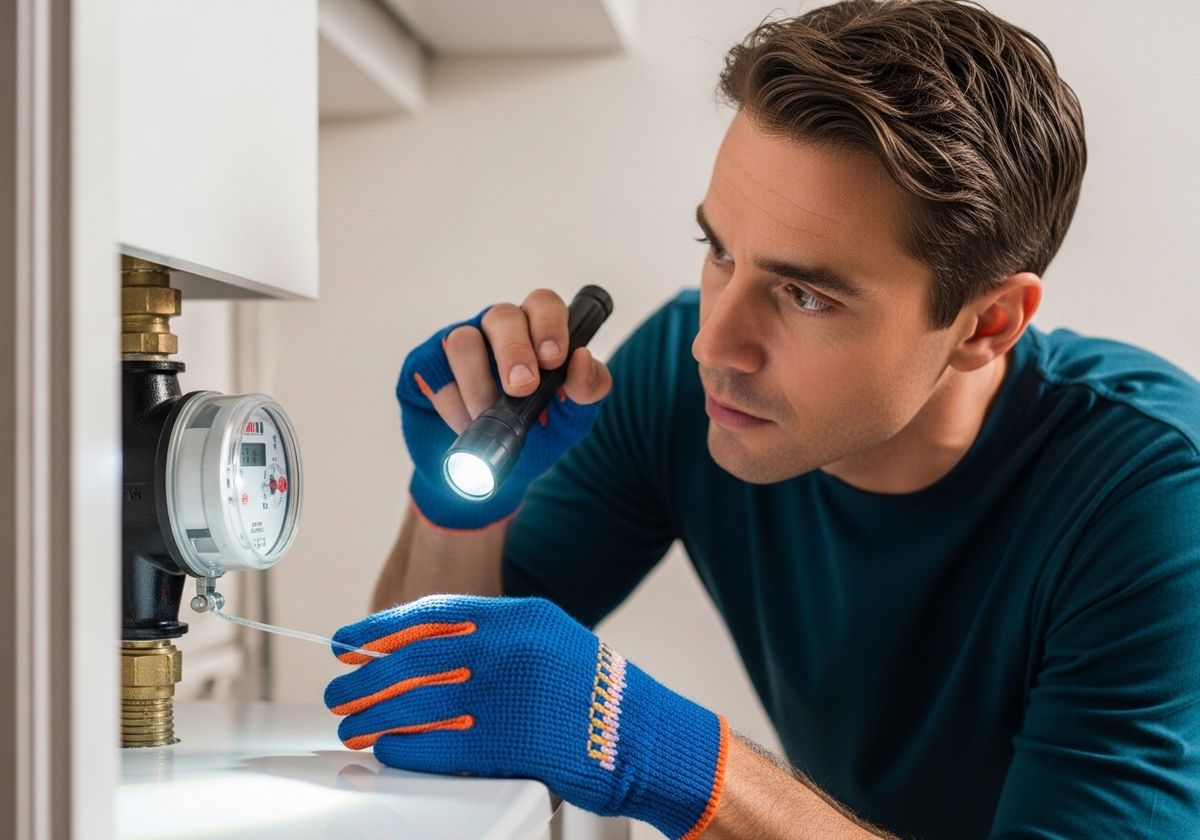
Turn off all water-using appliances and fixtures in your home, both inside and outside. Then, check your water meter. If the meter is still running, you likely have a leak somewhere. To pinpoint the location of the leak, you can turn off individual fixtures or sections of your plumbing system and check the meter each time until you find the source.
Listen Carefully
Sometimes, you can hear a leak before you see it. Listen for the sound of running water when all your fixtures are turned off. This method is particularly useful at night when ambient noise is at its lowest.
Toilet Leak Detection
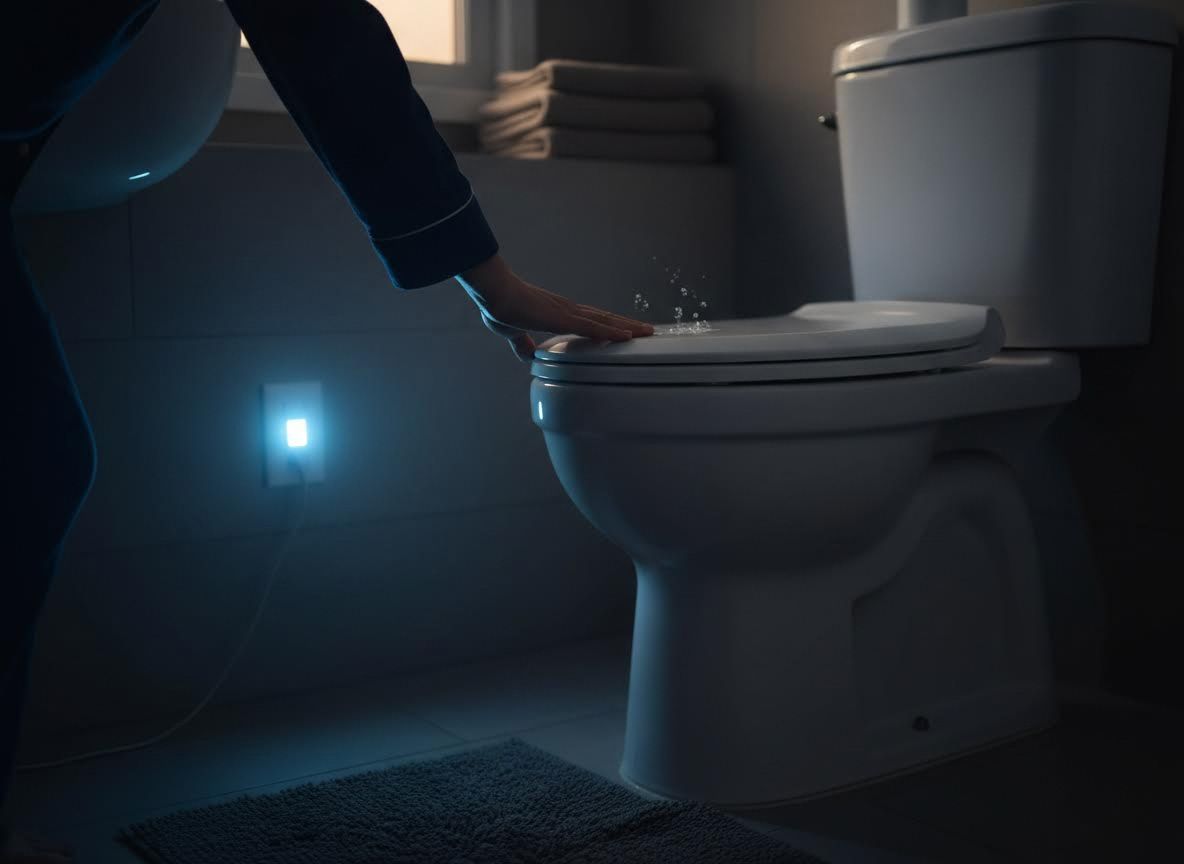
Toilets are notorious for silent leaks. Add a few drops of food coloring to the toilet tank. Wait about 30 minutes without flushing. If color appears in the toilet bowl, you have a leak.
Water Heater Inspection
Your water heater is another potential source of leaks. Inspect the area around the water heater for any signs of moisture. Look for rust or corrosion on the tank and check the pressure relief valve for leaks. Addressing water heater repair promptly can prevent significant water damage and ensure you always have hot water when you need it.
Detecting leaks early can save you from costly repairs and water damage. Regular inspections, monitoring your water bill, and using simple detection methods can help you identify and address leaks promptly. Remember, if you're not comfortable tackling plumbing repair yourself or suspect an emergency plumbing situation, it's always best to call a professional residential plumbing company.
At All Pro Residential , we're committed to ensuring your home's plumbing system functions flawlessly. If you suspect a leak or need assistance with any plumbing concerns, don't hesitate to reach out for expert help. Contact us today for reliable and efficient plumbing services!