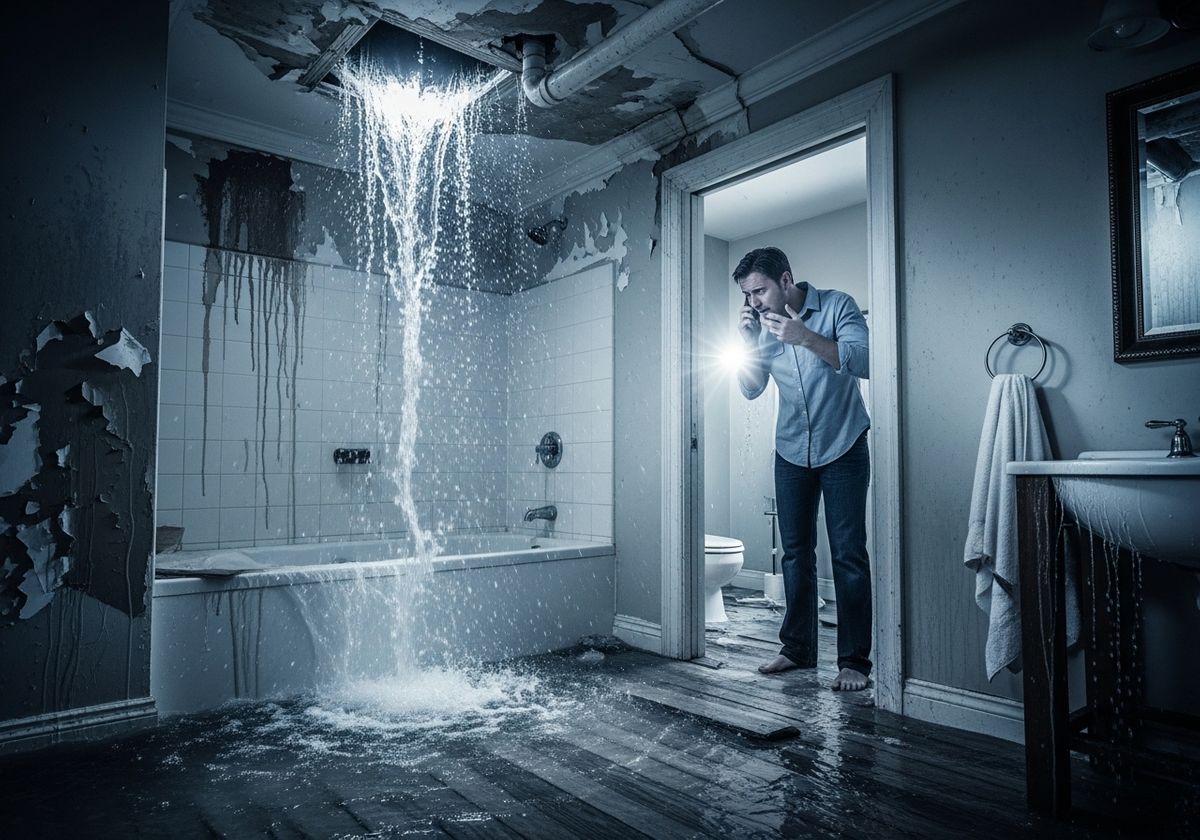
Plumbing emergencies can strike at any time, causing significant stress and potential damage to your home. Being prepared can minimize the impact of these unexpected events and save you time, money, and headaches. This guide will help you take proactive steps to handle plumbing emergencies effectively.
Know Your Plumbing System
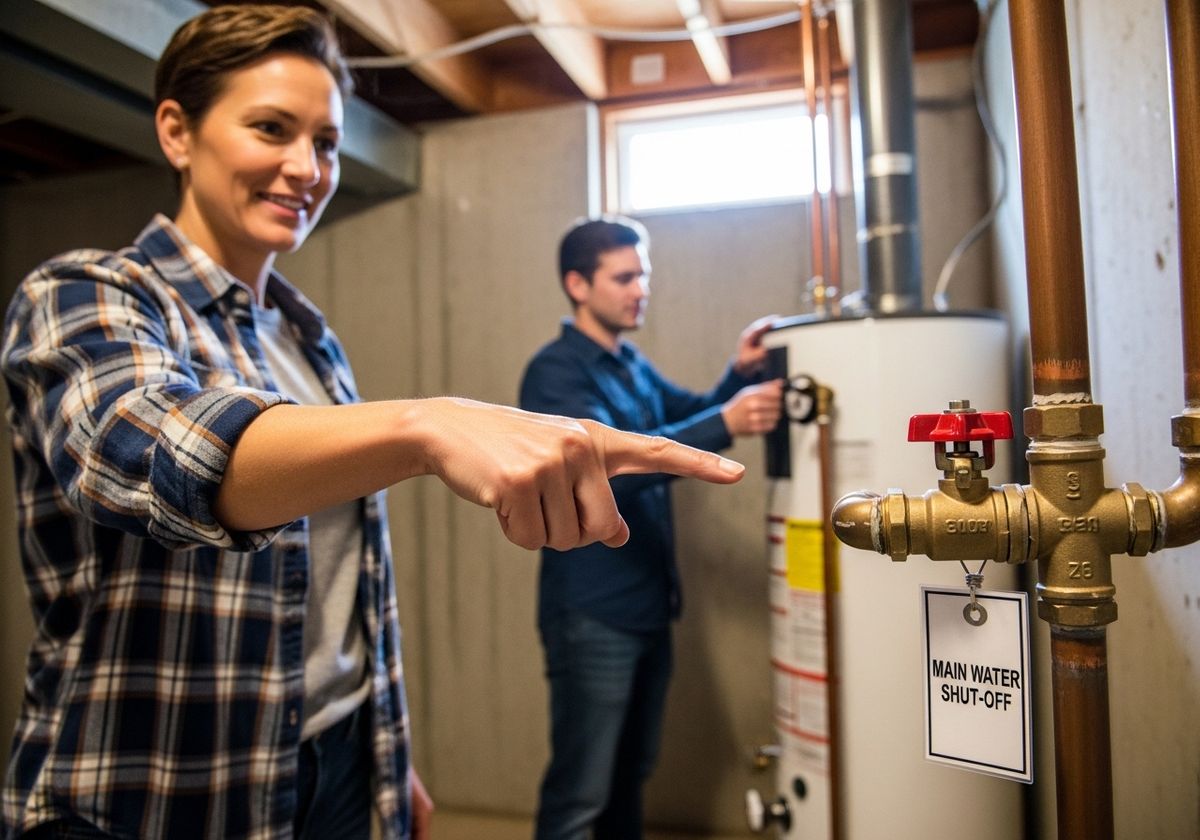
Understanding the basics of your plumbing system is crucial. Familiarize yourself with the location of your main water shut-off valve. This knowledge can be invaluable in quickly stopping the flow of water in case of a major leak or burst pipe. Additionally, knowing where your water heater is located and how to shut it off can prevent further damage during a water heater failure.
Assembling an Emergency Plumbing Toolkit
A well-stocked plumbing toolkit can be a lifesaver when dealing with minor emergencies. Essential items to include are:
Pipe Wrench: For tightening or loosening pipes.
Plunger: To clear clogged drains.
Plumber's Tape: To seal threaded pipe joints.
Adjustable Wrench: For various plumbing fittings.
Screwdrivers: Both flathead and Phillips head.
Flashlight: To see in dark or hard-to-reach areas.
Bucket: To catch dripping water.
Preventing Common Plumbing Problems
Prevention is always better than cure. Regular maintenance can help avoid many common plumbing issues. Here are a few preventive measures:
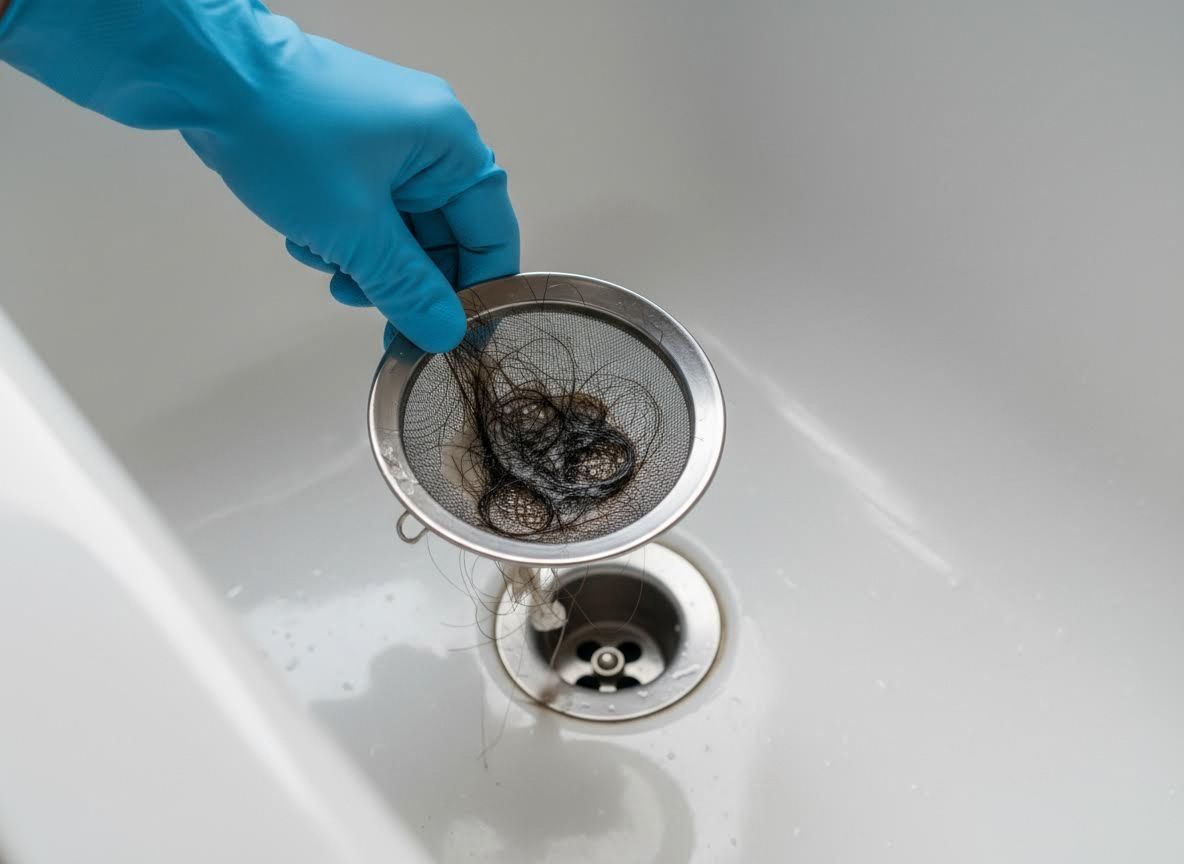
Avoid Clogging Drains: Be mindful of what goes down your drains. Avoid pouring grease, oil, or coffee grounds down the kitchen sink. Use drain screens to catch hair and debris in bathroom sinks and showers.
Inspect and Maintain Faucets and Pipes: Check regularly for leaks and drips. Repair minor issues promptly to prevent them from escalating into major problems. Insulate exposed pipes during cold weather to prevent freezing and bursting.
Schedule Regular Plumbing Inspections: Have a professional plumber inspect your plumbing system annually. They can identify potential problems early and perform necessary maintenance to keep your system in good condition.
Dealing with Specific Plumbing Emergencies
Burst Pipes: Immediately shut off the main water supply. Call a residential plumbing compay for emergency plumbing assistance.
Overflowing Toilet: Turn off the water supply valve behind the toilet. Use a plunger to try to clear the clog. If the problem persists, contact a plumber.
Water Heater Failure: Turn off the water and power supply to the water heater. Contact a water heater repair specialist for inspection and repair.
Sewer Backup: Avoid using any water in the house to prevent further backup. Contact a plumbing repair service immediately.
Being prepared for plumbing emergencies can save you from significant stress and damage. Knowing your plumbing system, having an emergency toolkit, and taking preventive measures are essential steps. When facing a plumbing crisis, remember that All Pro Residential is here to help. Contact us for reliable emergency plumbing services and expert plumbing repair. We are your trusted partner for all your residential plumbing needs.